
After almost two weeks of festival events and screenings, I have posted over 30 items about the festival. So here is a breakdown of all the films, ranked along the scale: Awesome, Good, Eh…, Bad. Click the title of the film to read the review.
After almost two weeks of festival events and screenings, I have posted over 30 items about the festival. So here is a breakdown of all the films, ranked along the scale: Awesome, Good, Eh…, Bad. Click the title of the film to read the review.
Posted in Edinburgh International Film Festival, News, Reviews
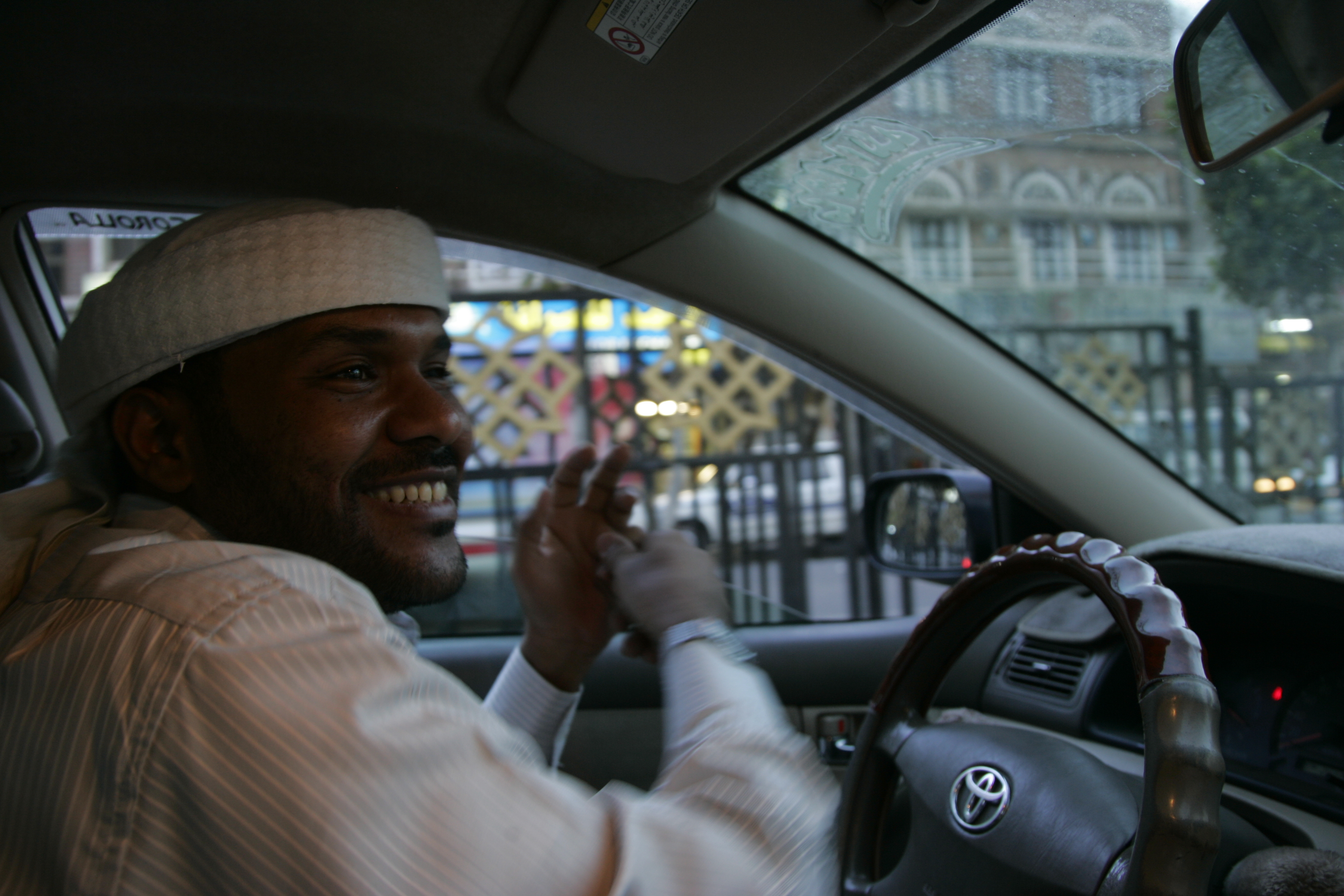 It has become a standard documentary trope to bring cultural clarity by focusing on an otherwise unknown subject (often poor, non-white, oppressed); we get to know these people personally and therefore break down cultural barriers . What happens, then, when the character doesn’t even know himself? The Oath‘s analysis of Osama Bin Laden’s former bodyguard, Abu Jandal, is fascinating for, if nothing else, Jandal’s ability to deliver self-contradiction with such sincerity. Continue reading
*The Dry Land drops some PTSD knowledge
*Soul Boy is a lot of fun
*Restrepo is mildly depressing.
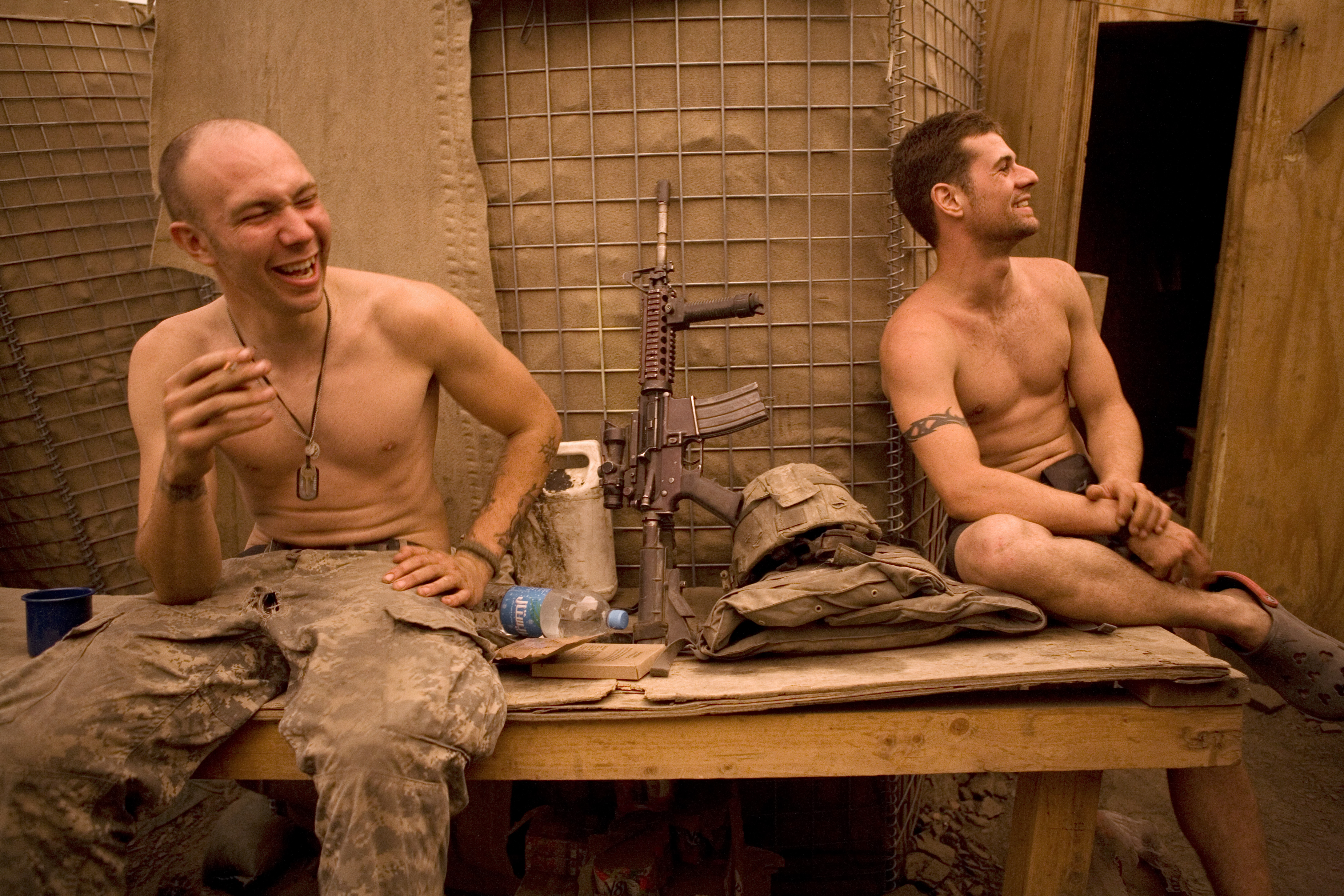 From The War Tapes to Generation Kill, the moving image has tried to convey the current U.S. wars in Afghanistan and Iraq. The difference between those fiction and non-fiction accounts is that they didn’t spend fifteen months shooting their productions in hostile territory. Continue reading
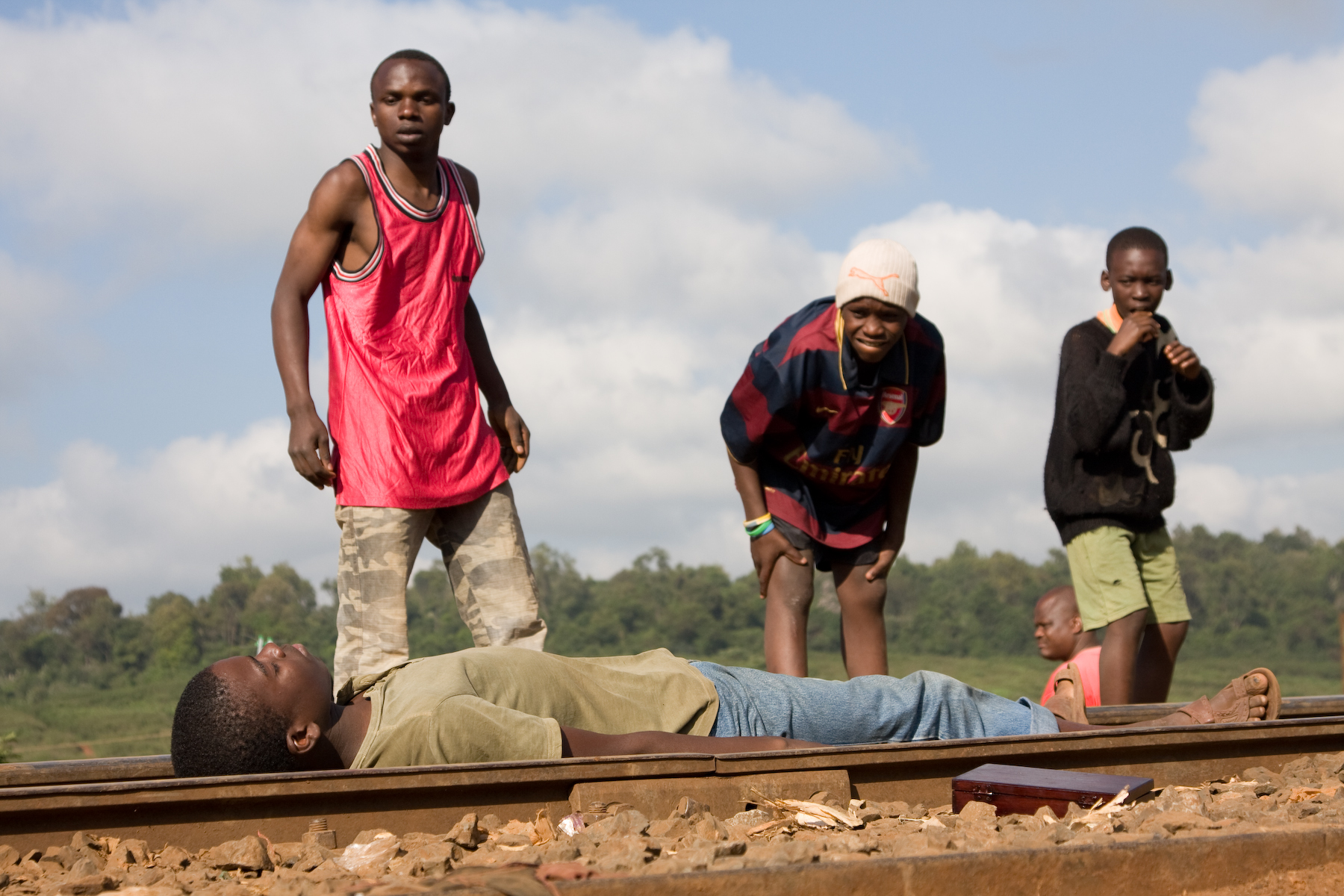 Films that don’t come from traditionally Western nations rarely get cinema attention. However, with films like City of God (Brazil) and Slumdog Millionaire (India) seizing the spotlight, Soul Boy could bring the rest of the world to Kibera, Nairobi. Continue reading
Posted in Edinburgh International Film Festival, Reviews
Tagged Africa, City of God, coming of age, community filmmaking, German, Kibera, Nairobi, Nyawawa, philosophy, Quest, Run Lola Run, Slumdog Millionaire, soul, Soul Boy, Tom Tykwer, wealth
 There are quite a few war films, but not many that concern a soldier’s life when he returns to the real world (Born on the 4th of July, Deer Hunter, Rambo). What sets The Dry Land apart is its direct engagement with how war-induced Post-Traumatic Stress Disorder affects a soldier’s life and those around him. Continue reading
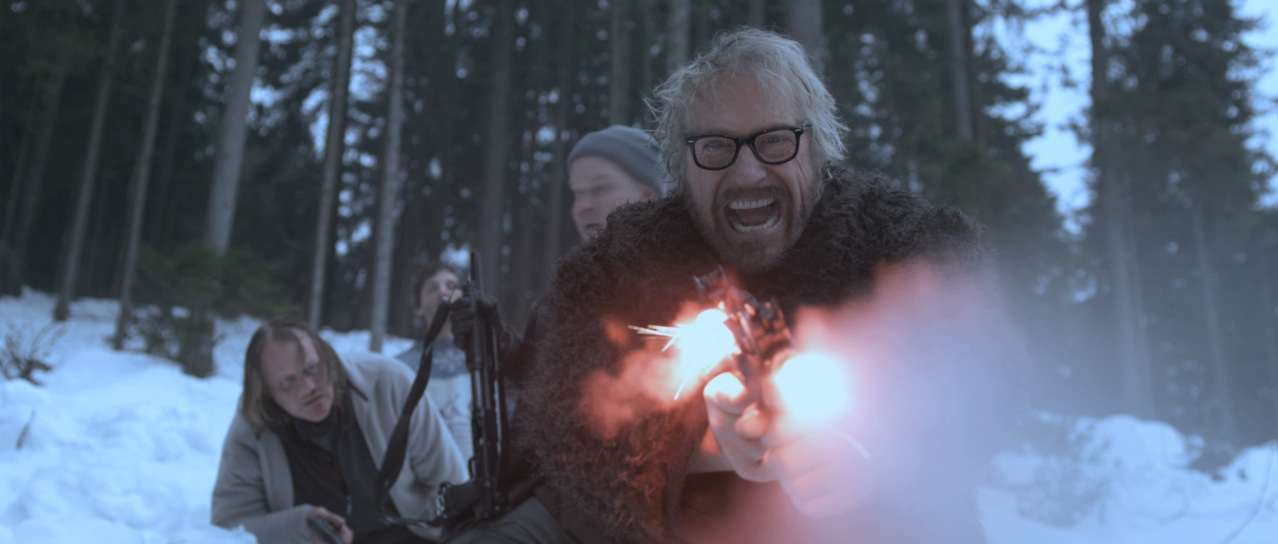 Walter’s a regular guy: he wakes up, eats some food and goes to work – killing people. However, when Walter whacks the wrong guy in a men’s bathroom, his boss puts him on hiatus. One of his hitman colleagues, Francois, tells him to take a job in the mountains: get some fresh air, time away from the world, relaxation! Of course, vacations never turn out as you expect and given Walter’s line of work, the unexpected can be lethal. Continue reading

Like Police, Adjective, The Hunter is a slow-paced film which probably has more cultural significance than viewers outside its place of origin will recognize.
Ali Alavi, an ex-con who works the night shift, comes home to find his daughter and wife missing. Ali goes to the police and discovers they were killed by gunfire between police and a rebel group. Taking his rifle, he goes up to a hill and hunts cars on the freeway.
The film takes its time to arrive at the two main plot points and after he starts shooting cars, you’re not really sure why this is his reaction to the death of his wife and child. It might be interesting to discuss the decisions made at the conclusion, but other than that, there’s not a strong engagement with the audience. Very few characters interact with Ali, so we spend most of the time watching his moody mug go to his boring job, look for his family, and MINOR SPOILER run from the police SPOILER OVER.
None of this would be a problem if the audience were thrown more breadcrumbs to understand the character’s motivations – but something tells me there’s a cultural significance to the killing of his family by police/rebels that audiences outside of Tehran can’t grasp.
If you liked Hanake’s opaque Cache (Hidden), I’m sure you’ll love this. For the rest of us, we’ll pass.
Posted in Edinburgh International Film Festival, Reviews
Tagged Edinburgh International Film Festival, EIFF, ex-con, Film, Movie, Police, Rifle, Tehran, The Hunter
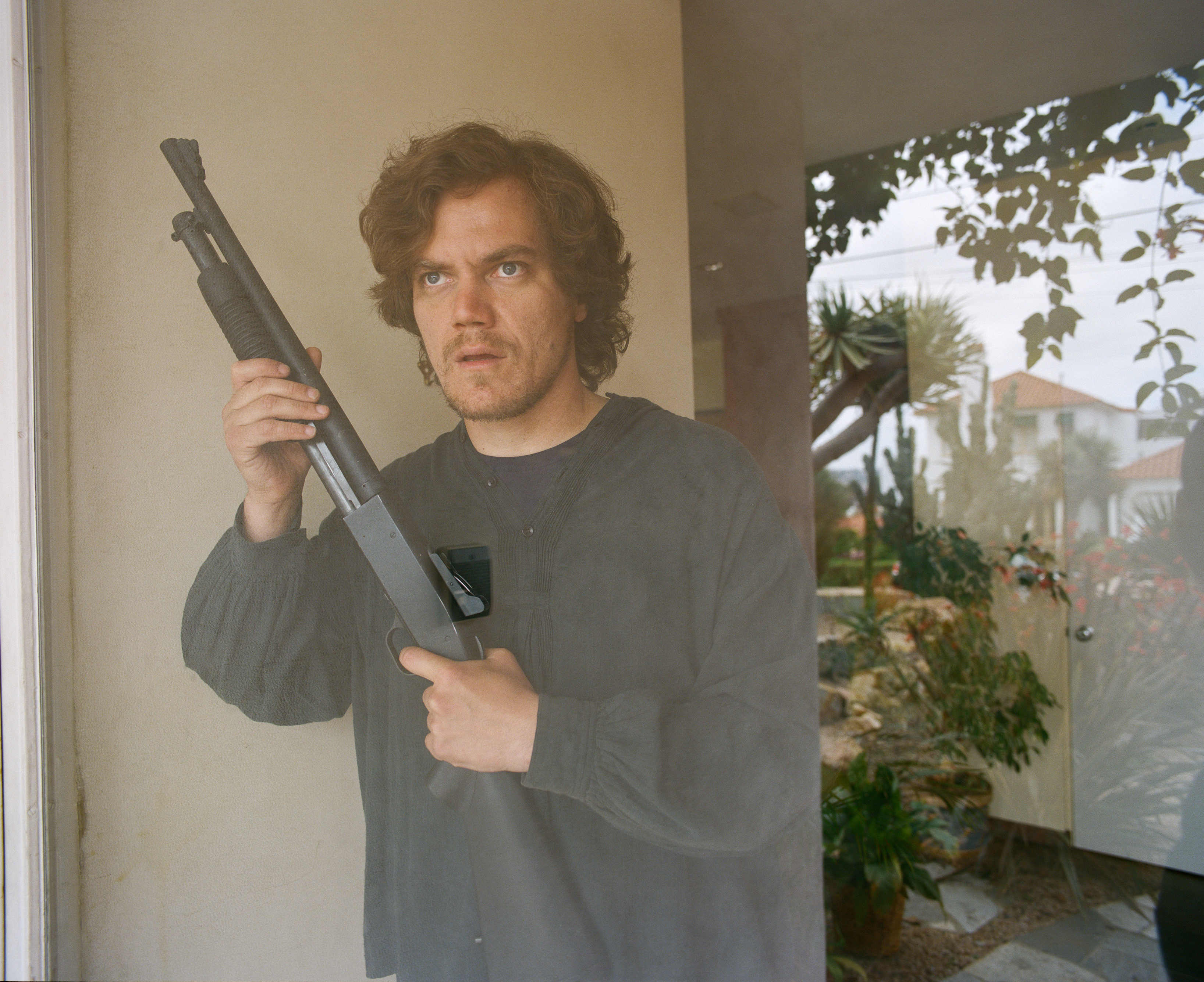 If you even know of filmmakers David Lynch and Werner Herzog, you approach their co-production* prepared, just as a runner stretches in preparation for the track. Their respective bibliographies are less narrative oriented and more akin to impressionist paintings. Everyone will have their own spin on their stories, but anyone presenting conclusive meanings is on a fool’s errand. Continue reading
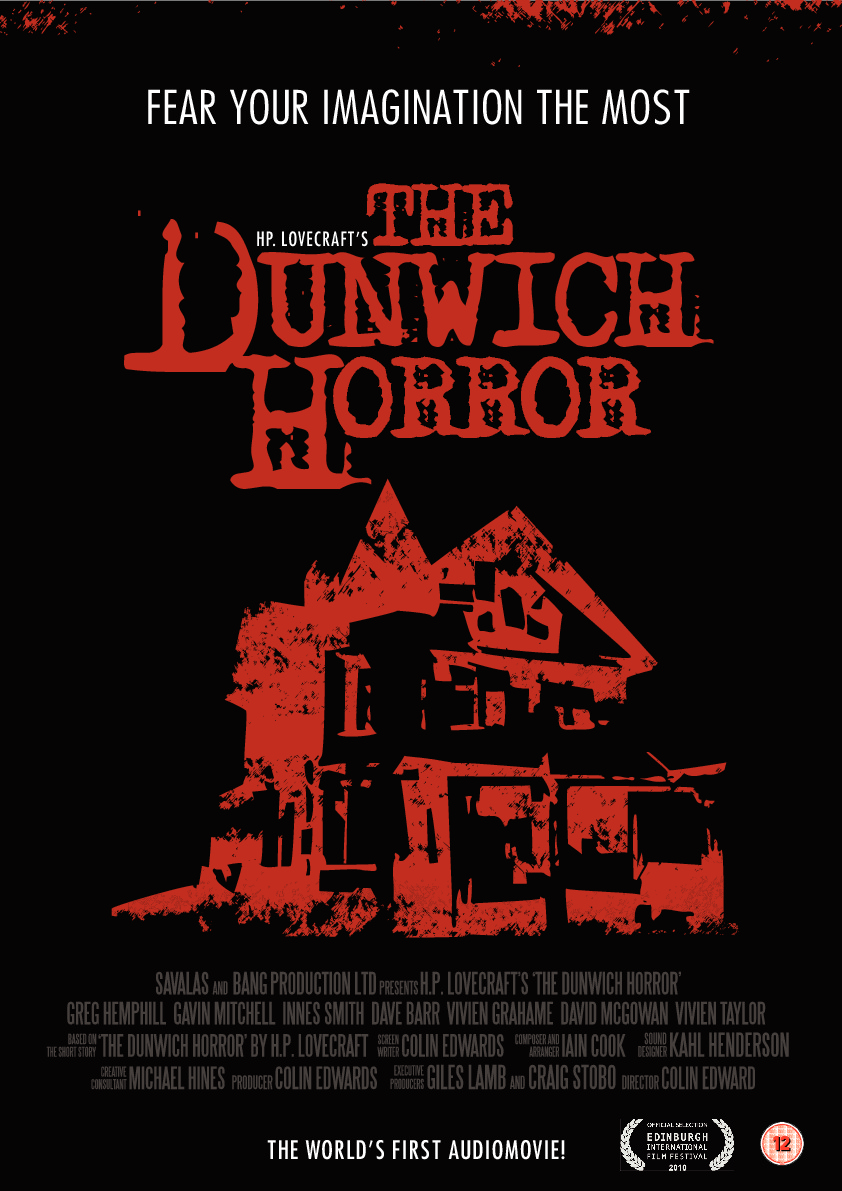 The idea for this event is to create a radio play out of H.P. Lovecraft’s short story The Dunwich Horror, and use the audio system of a cinema to exhibit this story of the mind.
The concept is cool, but I didn’t find it to be well executed. Most of the audio came straight from the front of the cinema instead of fully utilizing the surround sound capabilities. Where the surround sound was used, it was sparingly. I thought that trapping a room full of people between speakers would allow a world of possibilities for making the audience jump or be generally creeped out. Unfortunately, the production failed to deliver.*
*It also didn’t help that the cinema had no air conditioning, so asking your audience to close their eyes in a stuffy screening room makes not falling asleep the main battle
Posted in Edinburgh International Film Festival, News, Reviews
Tagged audio, H.P. Lovecraft, Radio play, surround sound, The Dunwich Horror
 The Filmsmith
 The Filmsmith