Category Archives: Reviews

“22 Bullets” doesn’t leave impact

In the original Kung Fu tv series, Shaolin monk Caine walked the Earth and spent a majority of the episode explaining his intent not to fight – which then devolved into martial arts ass kicking.  22 Bullets is an episode of Kung Fu, but in French and with less people in yellowface.

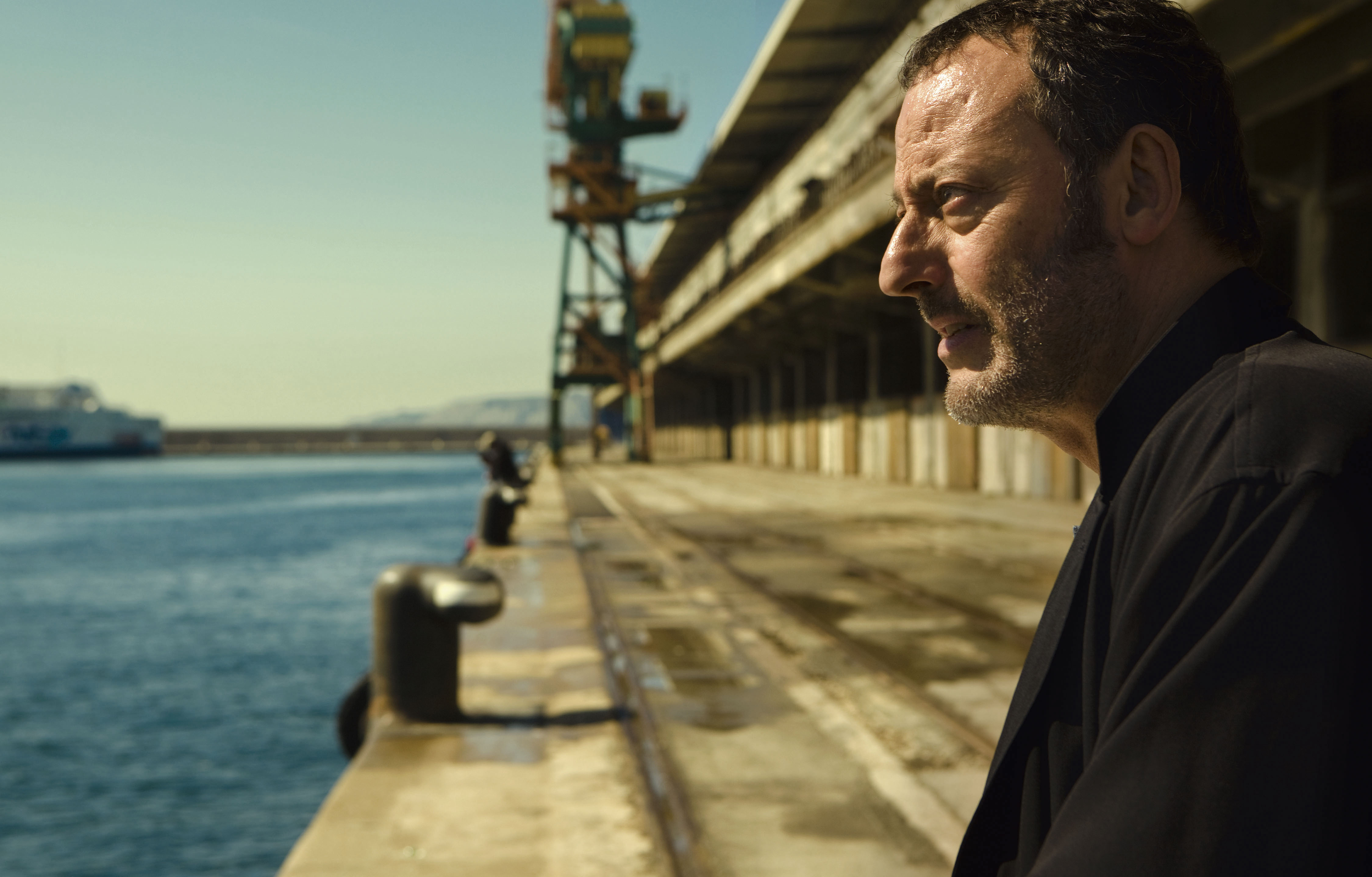
Jean Reno plays retired mafioso Charly Mattei who wants nothing more than to finish his life without further bloodshed.  There’s no Fairy Godmother to grant this wish, however, so he gets blasted with, you guessed it, 22 bullets.  Despite this, he keeps his bodyguards from killing an informant who knew about the hit and like Caine, he doesn’t wish to fight.  That all changes when the released informant rats out Mattei and his crew, leading to further butchery with the intent of scare him away from vengeful plots.  Too bad Mattei just looks at his butchered bodyguard as an invitation for a bullet battle royale.

Mattei’s denial of bloodshed is the film at its most intriguing.  Whole worlds of possibility flood the imagination when you consider an ex-gangster who wants to solve problems without the gun.  Sadly the story switches tracks and takes the easy way out, making Mattei go on a killing spree that would impress The Punisher.

The key ingredient missing from 22 Bullets is the emotional gunpowder to set off the action in ways that made Heat and Leon: The Professional* such great staples of the genre.  Instead, 22 Bullets is slightly better than the Transporter action fests produced by Luc Besson, but doesn’t leave much to write home about.  Also, since the adept Besson was merely producing, 22 Bullets director Richard Berry assaults us with a barrage of fast cuts that don’t increase urgency, just exasperation.   

Points for being bloody and tag lines like, “Spilled blood never dries” (I was thinking it was “dies”, which might be better), but the film should have decided if it wanted to be a nutty action film or a moving drama with bloodshed and gangsters.  22 Bullets hangs out between these areas, leaving an “eh” vibe when you exit the cinema.
Animated film The Illusionist is must see cinema

When Pixar’s Up! came out I couldn’t help but feel disappointed.  Both Up! and Wall-E strayed into dark, adult thematic areas, but had to hop over to the kid’s table to maintain commercial viability.  Thankfully, there are countries in the world where animation is held in equal regard to traditional filmmaking.  The Illusionist is filled with a romance and poignancy that hits you in the gut and lets you deal with it sans cute adventuring.  Thank God.

The year is 1959 and the world hasn’t become completely dominated by English as the “universal” language.  When a French magician sets out to the U.K. to find work, he finds himself at a small village in Scotland, entertaining Gaelic speaking revelers.  After his routine, one of the girls maintaining the inn becomes enchanted by his fancy handiwork.  Separated by their respective lingua francas, the pair interact via noble gestures and find themselves in Edinburgh, where he practices his magic, and she eyes shop displays…

Directed by Sylvain Chomet (The Triplets of Belleville) and written by Jacques Tati, this tale of characters connected without language and destroyed by globalization, is a film for which the term “gut wrenching experience” was created and is made all the more fascinating by its audacious move to be silent.  I don’t mean pre-sound film recording silence, but that one full sentence is uttered in the entire film.  Chomet brilliantly uses this silence to convey humor and the undiluted sentiments of his characters.  Though this may sound daunting, we forget film is a visual medium after all, and Chomet knows how to milk it for all it’s worth (this is not a film for people who enjoy the exposition lane on the film freeway).

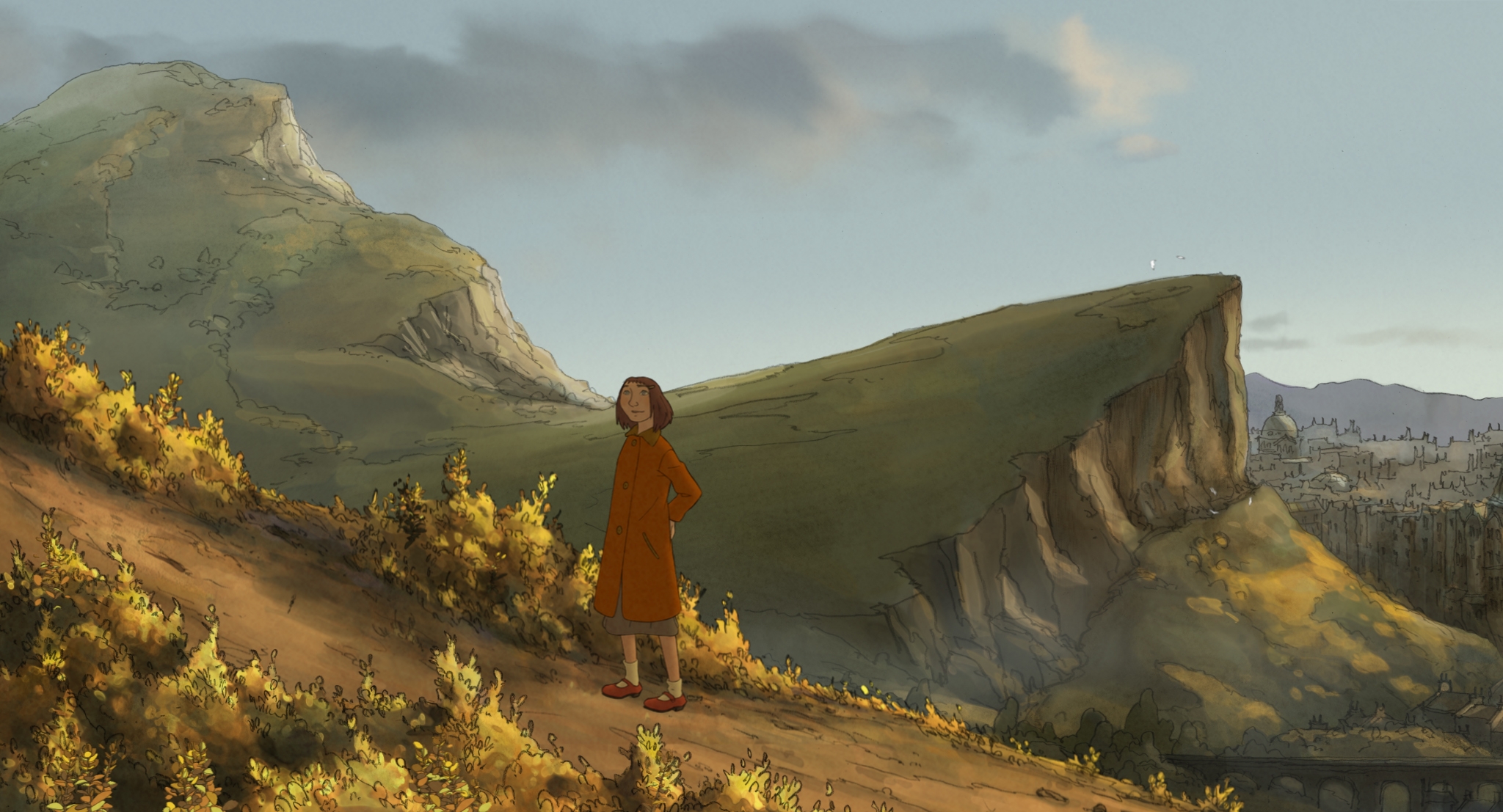
Chomet spent five years working on The Illusionist, even creating a production studio in Edinburgh to handle the work.  The visuals are beautiful,  accurately capturing the awe inspiring presence of the Scottish Highlands, but it’s also a love letter to Edinburgh, with its attention to detail and an array of famous locations on full display.*

Unfortunately, I must also add that there are some uncanny valley moments.  1) I could swear they used some motion capture to get some movements realistic, which could be unsettling when combined with an animated human. And 2) All moving objects look removed from their settings.  Sure, you watch old school Disney films and objects that move are brighter and the still background is darker–but my unease stemmed from something different.  Instead of both background and character being hand drawn, the involvement of computers elbows the animations into another area that doesn’t blend well.  These are some of the issues I picked up on, but it still didn’t completely undercut the stunningness of the world presented.

The film’s message, “We’re all waiting for our talents to be exploited by capitalism and our relationships replaced by consumer objects,” is the type of damning conclusion that settles in your belly with its veracity. Spending almost an hour and a half with these characters without words provides a unique window into their psyche, which is how The Illusionist pulls off its sucker punch coupe commentary in a  believable and  un-soap box manner.

The Illusionist‘s engrossing visuals and intelligent message trumps the $400 million dollar wizardry of Avatar, but is accessible to that same audience just as easily as the art house kids.  If you weren’t already in love with Chomet for  The Triplettes of Belleville, this should solidify your affections

*I’ve been living in Edinburgh for a full year and the film spoke of its romance in an honest way that had me realizing how much I’ve taken the city for granted (seagulls, wind, rain, but also the sunny green grass days with Edinburgh Castle and Arthur’s Seat dominating the skyline)

Promises Fizzle in “Red Hill”

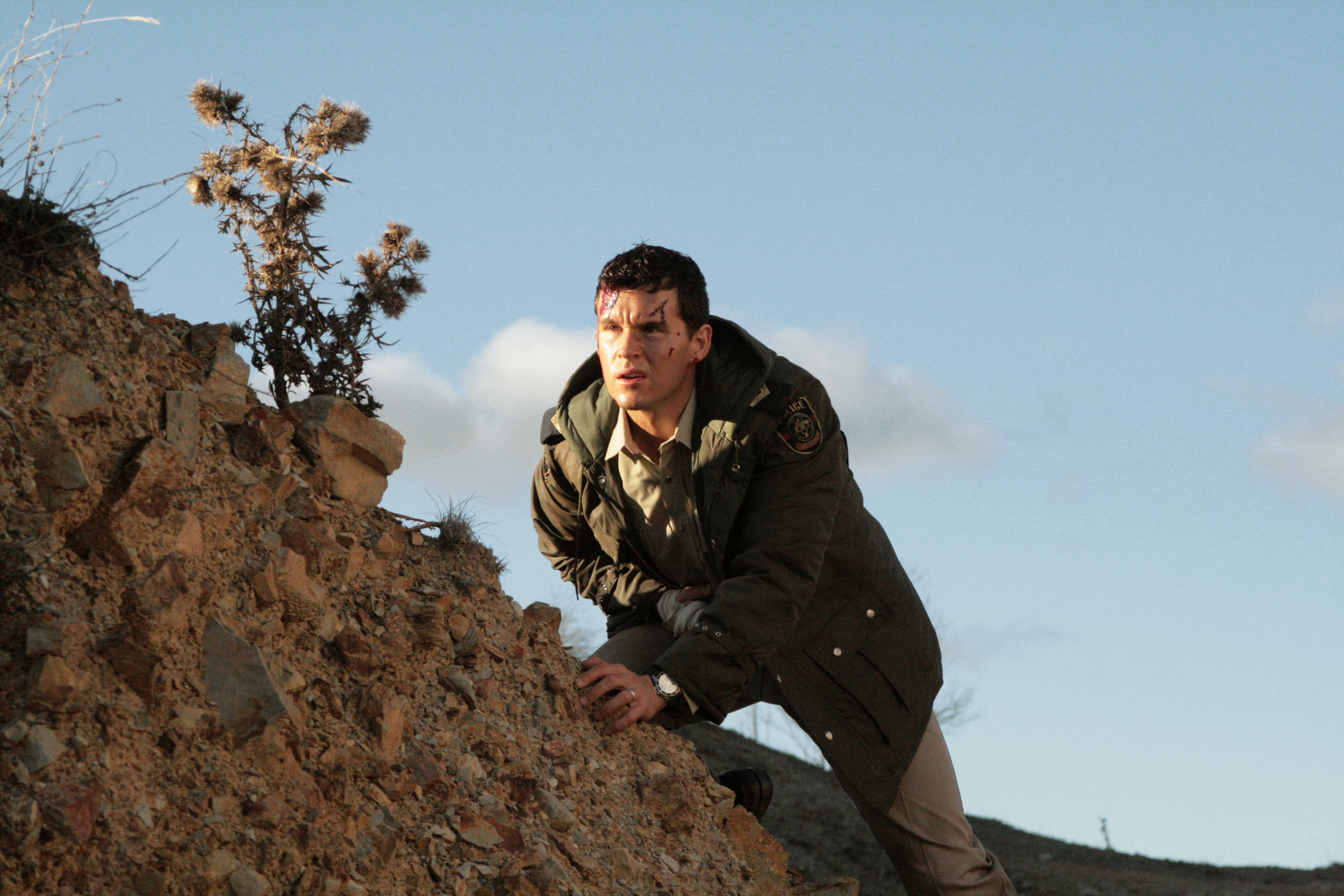
This film, which could have been a thriller action flick akin to No Country for Old Men, instead devolves into an illogical whimper.

Out in the countryside of Australia, Shane Cooper begins his first day with the local police department.  The day goes to hell when it turns out former local and now escaped prisoner Jimmy Conway is on his way back to town.  With checkpoints erected and a posse gathered, the locals batten down the hatches for the incoming storm.

The film’s worst enemy is a thinking audience, as extraordinary leaps in logic cause the film to stall out.  One guy wastes an opportunity shoot the bad guy; another is bleeding so bad he passes out, but can then ride a horse and lithely dismount; and the number of shotguns pumped for dramatic purposes in this film is just waiting for an internet meme to highlight its absurdity.  Toss in the apparition abilities of the hero and re-inforcements, and the film’s potential at the beginning compared to the disappointment at the end, and it reflects the brutal realities of childrearing in a way that I’m sure is unintentional.

If you’re concerned that I’m just being nit picky, I assure you, I’m not.  The logic issues and the heroic, exposition-heavy conclusion are like sandpaper to your gray matter.  Where the film takes off with moments of  mystery and fear, they are promptly stamped out by discordant events or words that just don’t belong in this film.

Sure, there are bullets and bloodshed, but the thin drama fails to sustain any propulsion and makes it a joyless thrill you could give a shit about.  Tone dictates expectations and the film does not deliver on its promises.

Oh, and did I mention the film has a black panther?  I don’t know why, it just does.

What the hell is going on in “Evil in the Time of Heroes”?

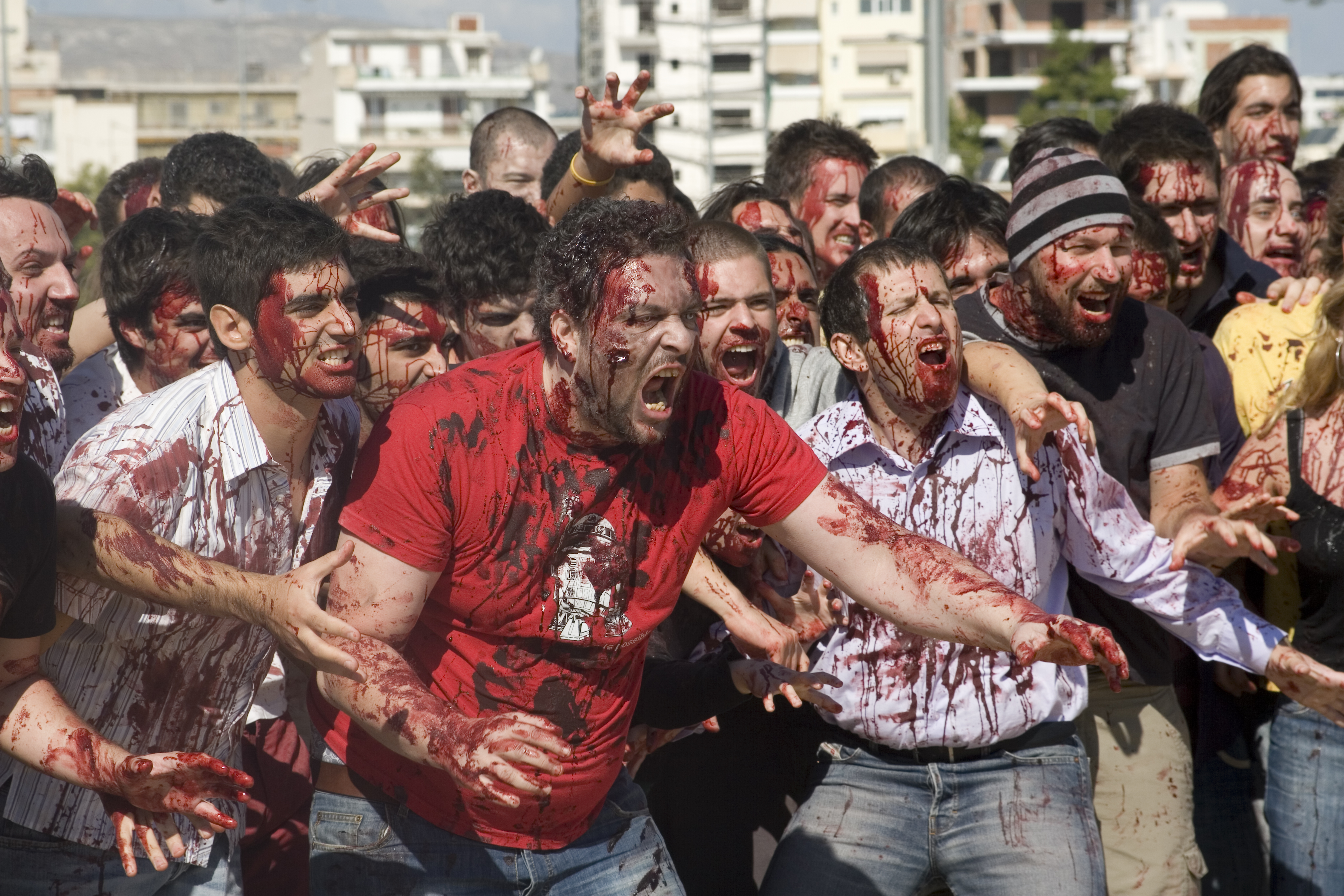
There have been a regular horde of marching zombies since Romero’s seminal work,  but not many films try to explain the phenomenon of the dead folks rising.  Evil in the Time of Heroes explains the zombies, but also needs to explain itself.

Walking the same line as its zombie flick forefathers, the film follows a rag tag group of survivors, equally assorted in weaponry and personality.  The catch is, this isn’t the first time that Greece encountered zombies. Flashbacks display shields and sandals slaughtering the undead during Greek’s historic height, even as the contemporaries follow the same path.  Connecting these histories is the time traveling jedi, played by Billy Zane.

I haven’t been this discombobulated about a film since Night Watch.  For those who’ve seen this Russian vampire movie, you know I don’t mean that it or Evil in the Time of Heroes are intellectually challenging: just that it’s difficult to make heads or tales of what’s occurring on screen.*

The theme to the confusion is paradoxical: where one or two characters are paper thin, others feel adequately presented; the film is funny, but is it trying to be funny?  Does it know it’s being funny?  It feels like watching Shaun of the Dead with random parts of 300 cut into the film.  At the end it just comes out as the ultimate mashup film.

I must also say, this film marinades in a bath of hemoglobin, reminiscent of Zombi 2 and Dead Alive/Brain Dead.**  But don’t worry, as the survivors fight their way through the film, there’s also plenty of mashed, and bashed limbs and exposed viscera to compliment your gushing fluids.***

If you were to put the now much abused internet phrase “WTF” under a microscope and look at its components at a cellular level, you’ll see DVD copies of Evil in the Time of Heroes floating around.

Funny, surreal, bloody…insert your choice adjective and it probably fits.  WTF indeed.

*not to mention Evil ‘s poor subtitling: white letters are hard to see and not everything is translated

**the latter being another confusing concoction of horror comedy

***even in terms of special effects it goes back and forth inflecting different tones, looking cheep and in other instances disgustingly real

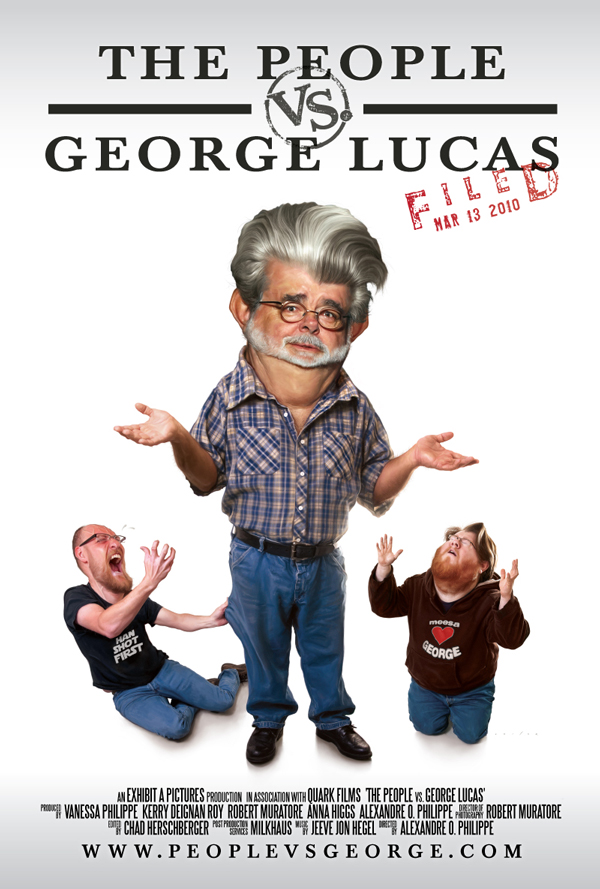
“The People vs George Lucas” is not just for the lightsaber licensed

It’s difficult to find someone who just hates the original Star Wars films.  Either you like it or you just haven’t seen it yet. The People vs George Lucas airs the  long-labored arguments that Star Wars nerds have been making since Lucas made Greedo shoot first–but the film is accessible, and still hilarious, to the wider community.

The film looks at the love/hate relationship between George Lucas and the original fanbase he gained back in 1977 with the release of Star Wars.  The film takes the traditional documentary route, with talking heads, archive interview footage of Lucas, and film clips.  However, it also includes fan submitted videos explaining how they feel about George Lucas.

The way the story is fleshed out is the true hook.  Lucas’ work before Star Wars is presented to showcase his power as a filmmaker (THX 1138, American Graffiti), and to then contextualize the ensuing years that would be solely dedicated to Star Wars.

As the chronology moves closer to the present, the nerd rage get a chance to shine: contributors rail against Lucas’ decisions to digitally change scenes (now Han Solo doesn’t shoot first, so as to make him less of a “dark” character), to add items to scenes, and his refusal to allow fans to have a theatrical cut of the film. Then of course the prequels are brought up, and you have a complete platform of complaints that fans across the world hope Lucas will hear.

The most entertaining touch is the plethora of Star Wars fan films that help tell the story.  The variety of filmmaking formats and techniques the amateur fans utilize is truly awe-inspiring and entertaining.  Some clips you wish you could just follow those down the rabbit hole…

The film is at its most thought provoking when dealing with the issue of the competing wishes of filmmaker and consumer; the documentary also points out that George Lucas himself argued against the colorization of black and white films on the same “cultural significance” grounds that his fans state as the justification of releasing a theatrical cut.

Though the film deals with Lucas’ conversion to the Dark Side, it is quite fair in its treatment of the man.  This could have been a vitriolic piece of hate-mail bubble wrapped with nerd rage, but instead treats the Lucas like a human being.  Or better put, a drunk uncle everyone loves because he’s family, but really hates for the grief he’s caused.  Either way, it’s classy in a way you never thought fanboys could accomplish.

Though there were too many commentors, that were then cut too brief, the film is funny, intelligent, and a delight to watch, particularly due to the fan films.  Now to see if it can get a response from Lucas.

“World’s Greatest Dad” One of the Best of the Fest

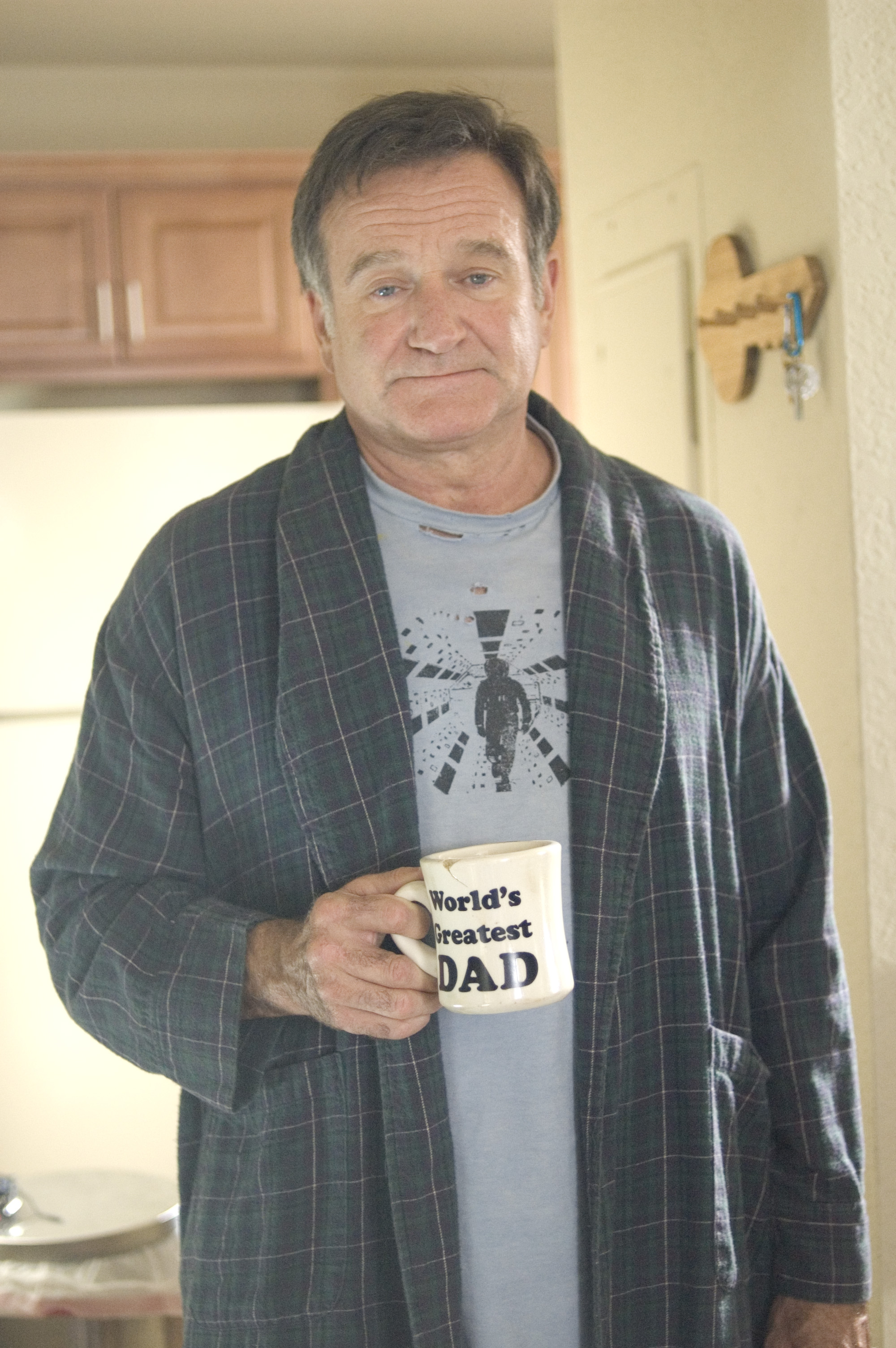
Robin Williams has had a spotty track record.  He did Good Will Hunting, One Hour Photo, and the hilarious dark comedy Death to Smoochy.  However, he also did RV and License to Wed, so you can’t just pick any Robin Williams film and bank on its awesomeness.  However, I am happy to report that World’s Greatest Dad is one of his awesome.

Robin Williams plays Lance Clayton, a high school English teacher who dreams of being a famous writer.  Sadly, he keeps churning out book after book, only to meet an equal number of refusals from publishers.  Lance jokes that he’d love to make “a shitload of cash,” but as with most artists, would just love to find an audience.  With his son Kyle obnoxiously demeaning any attempts at bonding, the impending demise of his poetry class, and girlfriend Claire’s coziness with other English teacher Michael, life couldn’t be any worse for Lance.  When will he get his break?

This is another film that delivers in unexpected ways, so I’m keeping a lid on the rest.  Williams’ portrayal of Lance lacks the conviction of psychiatrist Sean from Good Will Hunting or the mad hilarity of Rainbow Randolph in Death to Smoochy.  Instead, he’s just a poor sap with moments of comic wit.  He isn’t as pathetic as Caden Cotard in Synecdoche, New York, but he acts just weak enough to make us believe in the push-over existence of a character who feels authentic.

However, after sucker punching you with laughter, the film uppercuts you with intriguing themes: an interesting analysis of celebrity culture and the concurring illusions of connectivity to the famous showcases the film’s intelligence and attraction. It also poses questions about truth, ethics and art–for example, when a piece of art affects people’s lives like the asteroid affected the dinosaurs, does the fact that said art was founded on a lie undermine the truth others find within that lie?  Should you just keep lying to continue helping people or shatter their worldview by being honest?

This however, is not to say that the film is stuck up its own ass.  Daryl Sabara will surely find his way into mainstream comedy culture, based on his portrayal of the uncouth little asshole Kyle, who spews vileness that rivals the most uncomfortable moments of Superbad.  And Alexie Gilmore does a great job as Claire, manipulating the audience and Lance alike: does she really like him or is it a charade?  Her affections are genuinely endearing, which is all the more confusing when she says she’s “just friends” with Michael…

The film will leave you breathless with laughter, but also stray into the dark, touching, and intellectually engaging.  This is all the more impressive since it was written and directed Bobcat Goldthwait, that guy better known for parts in the Police Academy movies and the voice of Foppy the puppet on the tv show Unhappily Ever After… Goldthwait is able to take us deeper into the comedy/drama realm than the recent triumphs of Judd Apatow in Funny People, Knocked Up, and The 40 Year Old Virgin.  Where Apatow’s films are touching, Goldthwait is nicking the marrow of human existence with his subtle analysis of relationships and loneliness.  I don’t know if World’s Greatest Dad is just a fluke of artistic achievement from Goldthwait, but I will be looking forward to his next film.

World’s Greatest Dad could be one of the best films at the Edinburgh International Film Festival.  In a week and a half I can affirm or deny this prediction, but in the mean time, I need to find out when I can see it again.

author’s note

It appears that the film has already been released theatrically and is available on DVD.  Find this film and pass it around, I beseech thee.  You will not be disappointed.

My Sixth Sense is Tingling: Two Eyes Staring (Zwart Water)

Lisa and Peter go see what's hanging out in their basement.

From the haunted happenings of Poltergeist to Guillermo Del Toro’s excellent The Devil’s Backbone, children in film have been regular objects of ghostly terror.  Two Eyes Staring continues this tradition, with decent results.

Christine’s mother wills her a small mansion that her husband Peter loves, and her daughter Lisa loathes.  Peter convinces Christine to move in, but the house, and Christine’s past, are steeped in mystery by Christine’s evasive attitude concerning her mother.  As Lisa copes with the move and the subsequent loss of friends, she hears strange noises emanating from the basement.  Insert creepy music here.

Without spoiling the film, it does deliver fair horror atmosphere, with the accompanying jump scares that have become a staple of the genre.  The relationship between Lisa and Christine is deftly displayed as strained and cold, in comparison to how difficult it is not to smile at the warm relationship between father and daughter.  The mother is too interested in work, but dad’s affections come through in his respect  and familiar attitude.  The establishment of these cold and hot relationships supports the film’s final act – which delivers more than most horror tales.

However, the film’s length blunts its edge.  POSSIBLE SPOILER In an effort to firmly establish the reality which is then overturned, it spends laborious amounts of time hitting the same key.  SPOILER ALERT OVER In short: The length could have been trimmed to keep taut the flagging tension.  Further, the music crowds what could develop into deeper moments of terror; these items undermine the development of atmospheric and psychological creepies.  The Sixth Sense did an impressive job of generating  mystery, sustaining tension, and horrific scares sprinkled throughout. Two Eyes Staring is almost of that caliber, but not quite.

Even though the film makes some missteps, it’s by no means a bad ride.  It leaves you unsettled and your mouth agape with “Holy Sh*t!”-ness, which is more than most films are able to achieve.  Just give it some time.


“The Last Rites of Ransom Pride” Require Some Ass Kicking

When one of a film’s advertised attractions is a dwarf dual wielding sawed off shotguns, it’s your own fault if you’re expecting Gone With the Wind.  With this B-Movie expectation at the foreground, Pride is an action road film that will intrigue and entertain with its carnival of crazy.

Ransom Pride is just like any Western thug–a drinker and a killer, his whole life pulled from Sergio Leone’s notebooks.  So when he finally bites a bullet, his brother Champ (Jon Foster) and his girl Juliette (Lizzy Caplan) are the only people ready to retrieve his body from a Mexican voodoo lady pissed that Ransom happened to kill her priest brother.  However, Champ’s father, Reverend Pride (Dwight Yoakam), would rather see Juliette dead before he allows his other son to be tempted by the same wicked beauty that led Ransom to the dark side.

The Last Rites of Ransom Pride is a good old fashioned piece of sex and violence cinema, channeling the visual and narrative tones of Sin City and Grindhouse.  Black and white flashbacks flesh out the history of Ransom and Juliette’s relationship and lines like, “Which one of you sorry motherfuckers wants breakfast in hell first?” make it difficult not to roar “YEAH!” with a ferocious affirmation of the film’s badassery.  Even though Juliette’s a beauty, it doesn’t come at the expense of her skills as a shooter, brawler, and the film’s toughest character.

When the film isn’t shooting someone every ten minutes, the appearance of Kris Kristofferson (a fiend who helps the Reverend), Peter Dinklage (the shotgun toting dwarf), and Jason Priestly (a disgusting pervert), make up only some of the characters you can look forward to loving or loathing.

Beyond just the pleasure gleaned from a loyalty tale riddled with bullets, the story’s setting makes it a unique piece of Western cinema.  The year is 1910 and when you first see Ransom Pride gunning down treacherous traders with a semi-automatic pistol, you know this isn’t the West of the Man With No Name.  An old sidecar motorcycle and the Reverend Pride’s car all call out this place as an in-between region; a West still not completely tame, but with the modern world lurking behind the vistas…

The film does fall on some hard times, though: When Champ wears a thick bandanna around his head during the first half of the film, you wonder if he suffered a head wound you forgot about or time travelled to 1984 where he could be influenced by The Karate Kid.*

Also, the jarring montage of violent frames at the end of action scenes, providing “visual summaries” of the events just witnessed, prove redundant.  Toss in the almost subliminal flashes that bombard the film for nothing more than visual flourishes (think of the lens flare abuse in Star Trek) and it makes you want to climb into the projectionist booth and perform some celluloid surgery.

A Western that features a female badass and a concoction of cultural objects entrenched within and outside of the genre’s mythos make it notable and surreal, respectively.  Though I find some of the editing nutty and the denouement lacks an epic-ness common to Westerns, if a bunch of friends wanted to see a movie that allowed us to geek out about some bad-movie awesomeness, I’d recommend The Last Rites of Ransom Pride.

*Though Reverend accuses him of looking like an Apache, in an effort I believe to explain the choice of headgear, his comment is made too late to squash The Karate Kid thoughts.  Plus, after losing the bandana, he begins wearing an equally ridiculous do-rag.


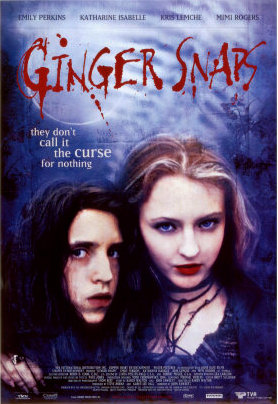
Ginger Snaps Trilogy Roundup & The Problem of Genre Distinctions (part 4)

:read part 1, part 2, part 3:

Ginger Snaps: Complete Roundup

Though the final part of the Ginger Snaps trilogy is weak, it’s not Spider-Man 3 weak. Given the track record of horror film sequels, the entire trilogy stands up pretty well. The real strength of the series lies with the characters, specifically female lead characters. The male cast members are all supporting pieces to the story (though they play bigger parts in Ginger Snaps Back), so we get a fresh perspective as Brigitte and Ginger lead us through female territory: sisterhood, mother-daughter relationships, sex, menstruation, relationships with men, etc. Continue reading

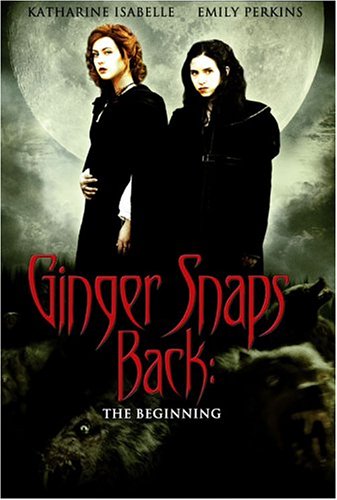
Ginger Snaps Back: The Beginning (pt 3)

:catch Part 1 here and Part 2 here:

Now, about the third film.  Yes, Ginger Snaps Back: The Beginning is set in the 19th century.  Yes, that sounds very silly.  How in the hell have two girls dealing with werewolves in the modern era  suddenly found themselves stuck in the mid-1800’s fighting werewolves at a Canadian trade post?  The answer: there isn’t really one.  Toward the latter third of the film there are allusions to reincarnation and curses passed through families, but the film doesn’t force this idea and there aren’t any time travel shenanigans.  It just is.

So I’ll say this: if you had never seen the first two films and watched this one, it could stand on its own – which is respectable. Continue reading