“What would you buy if you had a million dollars?” This is the type of hypothetical fantasizing we’ve all indulged in as children, but what if you actually won that million dollars?
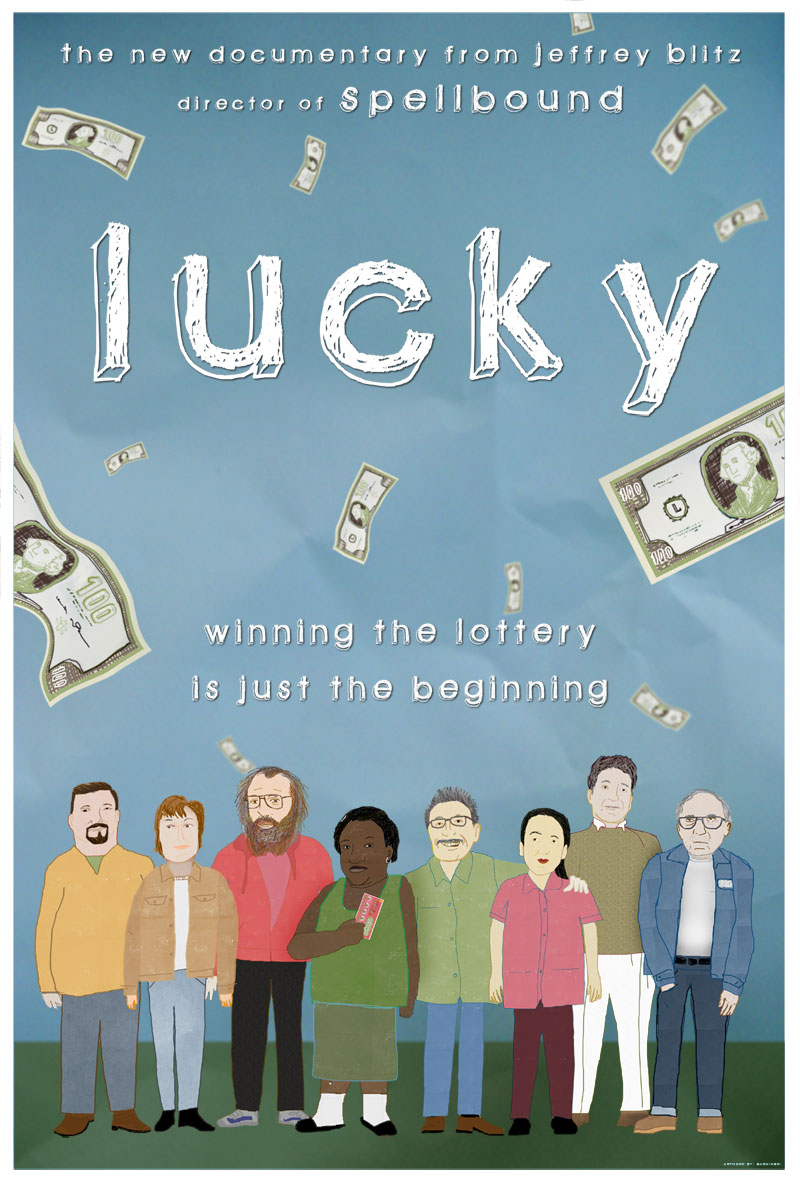
Lucky follows the rare people who have won the lottery, varying from 5.5 to 22 million dollars in winnings. The effects of fame and fortune are disclosed by the winners in interview format. Some find it a curse they’re happy to spend until they’re again broke; others help their families or migrate to wealthier locales to fit in.
The general idea behind the film is immediately an attractive one: how do one of our fellow proles cope with becoming a part of the elite? In a brief interview with a lottery player, he explains that he gambles so, “I can actually be free.” Right there is a golden opportunity to explore our definition of “free” in a country that heralds itself as the uber-democracy and how capitalism and wealth play into that concept.
But director Jeffrey Blitz (Spellbound, Rocket Science) doesn’t follow these breadcrumbs. When former friends of lottery winners Kristine and Steve’s tell us they are envious of their bump up the class ladder, the film fails to dig in and ask why. Why are we envious of the wealthy? What does it mean to us to have money, to yearn for it? Instead of providing an insightful document on the U.S.’s religion of greenbacks, it takes hunger for cash for granted.
Sure, we meet the guy who keeps a lid on his expenditures, except the stay cats he feeds every night and the stripper friends he visits; we even see the literal ruin of a man due to the cash (his siblings hired a hit man so they could acquire the wealth). But Lucky doesn’t get the pick axe to the heart (so to speak) and leaves an aftertaste just slightly better than the Inside Edition clips it uses.
When a Vietnamese lottery winner’s wife stops the interview when it becomes too emotional, it stands in metaphorically for the film overall. It could go deeper, but maybe it hurts too much.
Since I was born in 1986, I just missed out on the awesomeness that was the Cold War with all those “kiss your ass goodbye” Duck and Cover ads that existentially traumatized my parents’ generation. Despite the dissolution of the Soviet Union, the threat of nuclear weapons is still alive–and Countdown to Zero is happy to make you piss your pants with terror. Continue reading →
Most documentaries recounting the glory days of a bygone era always run the risk of becoming curmudgeonous dirges that directly lament the facile present. Blank City‘s account of the No Wave and transgressive movements in music and film in late 1970’s New York avoids these punji pits–but do we care?
New York City’s late 70’s East Village looks like a bombed out city from World War II, but this was the playground for a community of eccentric young artists who would experiment with music and filmmaking through till the 1980’s. Toss on a dollop of social unrest, growing conservatism under Reagan, and the fear of crime and AIDS, and it’s no wonder art in the area was so shocking, entertaining, and fresh.
The film is interesting in an informative way, but it lacks a strong arch to pull us through. With most of the highlighted films still unavailable on DVD or even VHS, there is a very narrow audience to reach (mostly those who know the music scene of the time). With such a niche and the absence of a consistent entertaining or emotionally appealing element to fuel the entire ride, it hits flat.
I will say that this film opened up a history of American cinema I wasn’t aware of and will dig around for more info. However, Blank City is unable to invite the uninitiated. Rabid fans of No Wave alumni (Steve Buscemi, Amos Poe, John Waters, Debbie Harry, Jim Jarmusch), hardcore film nerds and paper writing students will enjoy this like a flashy Wikipedia article, but that’s about it. An interesting and well made film for first time director Celine Danhier, it just needs to display the same filmmaking vitality it discusses.
The Edinburgh International Film Festival has just released their schedule for the 12 day long festival, which starts June 16 and ends June 27. Tickets for the festival go on sale tomorrow at noon.
Due to your readership, dear Film Fan, I have secured a Press Pass for the festival. This makes almost all of the screenings free. Without your readership, I would be spending over a 100 pounds trying to cover a fraction of the festival’s events. So thank you.
To honor your support, please look through the festival’s brochure and tell me what films you want reviewed – or simply if I’ve overlooked a great film at the fest. I cannot promise I will be able to deliver all reviews given time restraints, but I will do my best.
There are an insane number of films being shown, so the following are the main titles I’m looking forward to seeing.
22 Bullets
“Jean Reno gets shot 22 times…and he’s not happy about it.” Produced by Luc Besson (Unleashed, The Fifth Element) and starring our favorite hit man, this is high on my list.
BAFTA Scotland Interview: Sir Patrick Stewart
Who would pass up a chance to see Captain Picard?
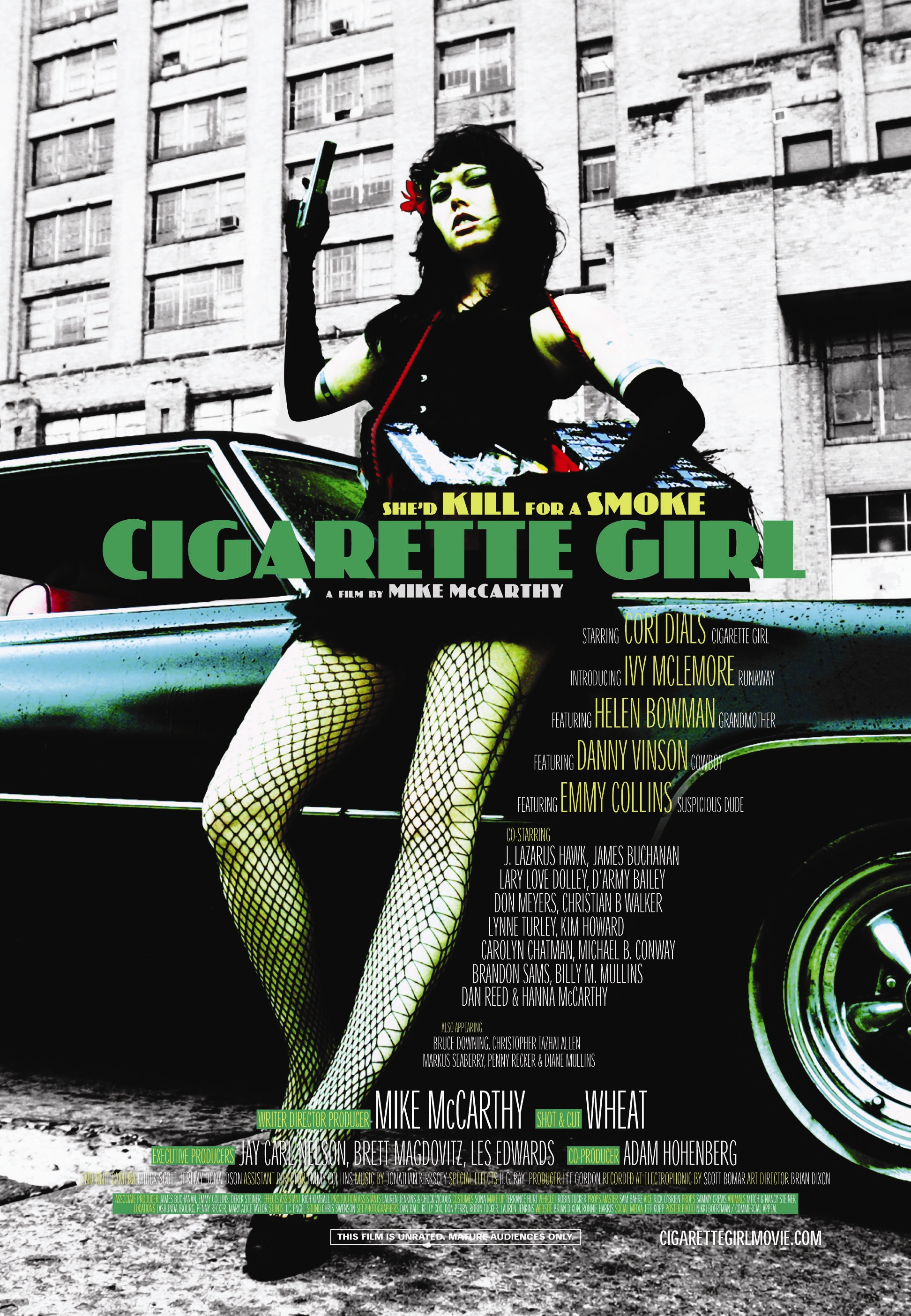
Cigarette Girl
A dystopia in which smokers are separated from the rest of the city, it looks like a fun B-movie.
Get Low
Robert Duvall plays Felix Bush, an old timer who wants to have a funeral party – while he’s still alive. Throw Bill Murray into this 1930’s period piece and I’m there.
H.P. Lovecraft’s The Dunwich Horror
This will be a “audio horror movie,” using the cinema’s sound system to tell Lovecraft’s tale.
Lucky
Documentary from Jeffrey Blitz (Spellbound, Rocket Science) detailing the lives of lottery winners. Given the greatness of Rocket Race and an NPR piece I heard discussing the making of the film, it should deliver the goods.
Monsters
After contact with alien life has gone awry, the Mexican/U.S. border becomes “infected” territory. Monsters received buzz at SXSW and has been compared to District 9. Probably the film I’m most anticipating at the festival.
My Son, My Son, What Have Ye Done?
Directed by Werner Herzog and produced by David Lynch, that’s enough to watch. Adding Michael Shannon (a little known actor who was phenomenal in Shotgun Stories), Michael Pena (Crash, The Shield), Chloe Sevigny, and Willem Dafoe is just icing to the cake.
Outcast
Looking forward to this based solely on the reviews, tagging it as a UK horror that throws out the rules.
R
Described by the EIFF as a prison story that makes A Prophet “look like porridge.”
Red Hill
“This Western-style outback thriller is action cinema at its very best.”
Restropo
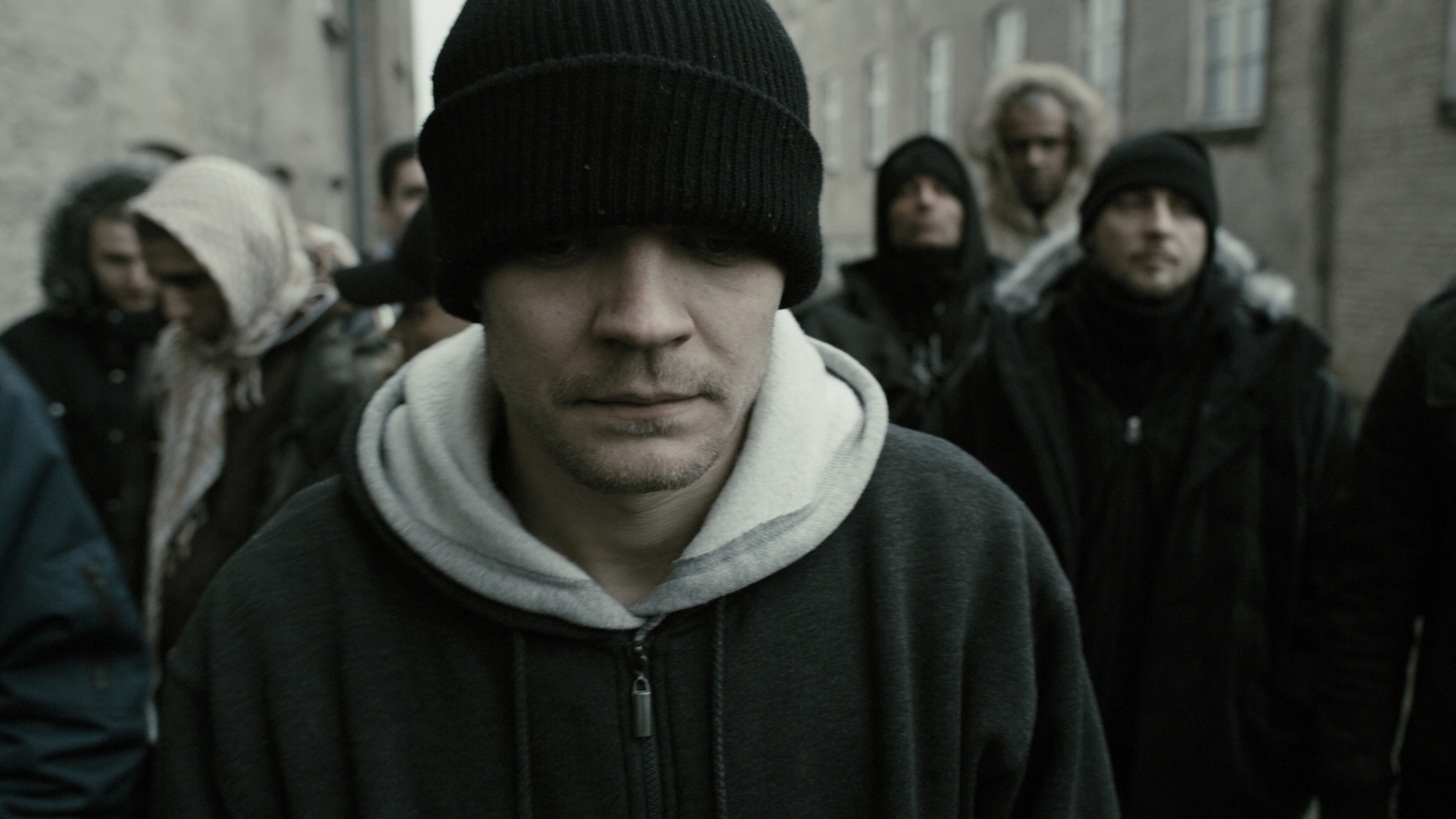
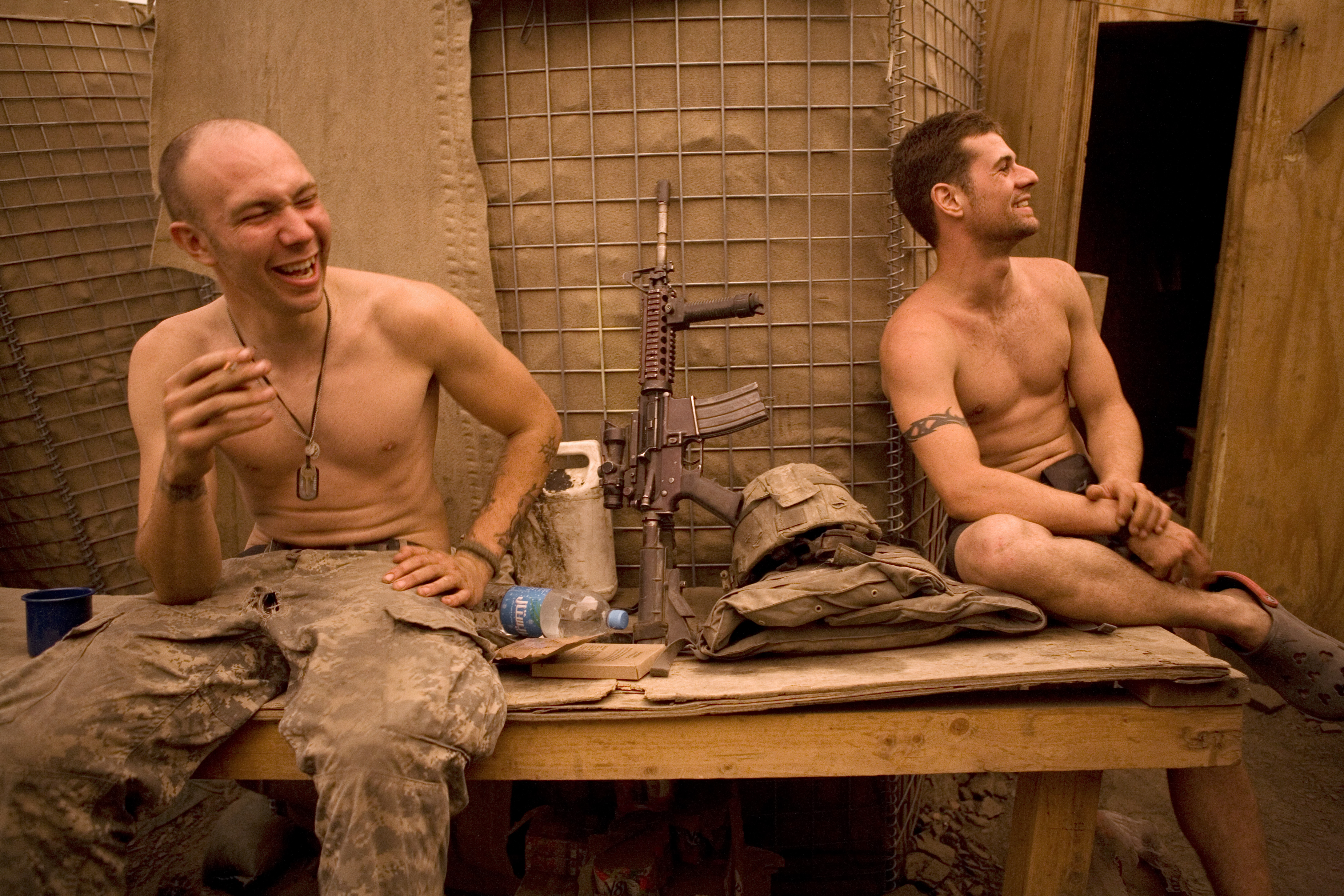
“The Afghanistan war film that renders all others unnecessary.” After being embedded for 15 months, the film is supposed to be an unflinching analysis of modern warfare, featuring civilian and military casualties.
The Last Rites of Ransom Pride
It’s 1910 and a young woman is hellbent on returning the body of outlaw Ransom Pride to Texas for a proper burial. Described as a “dark, violent western” reminiscent of Tarantino, Pekinpah, and Sergio Leone, with cameos from Kris Kristofferson, Dwight Yoakam, Jason Preistly, and a shotgun wielding Peter Dinklage, it sounds like a good ride.
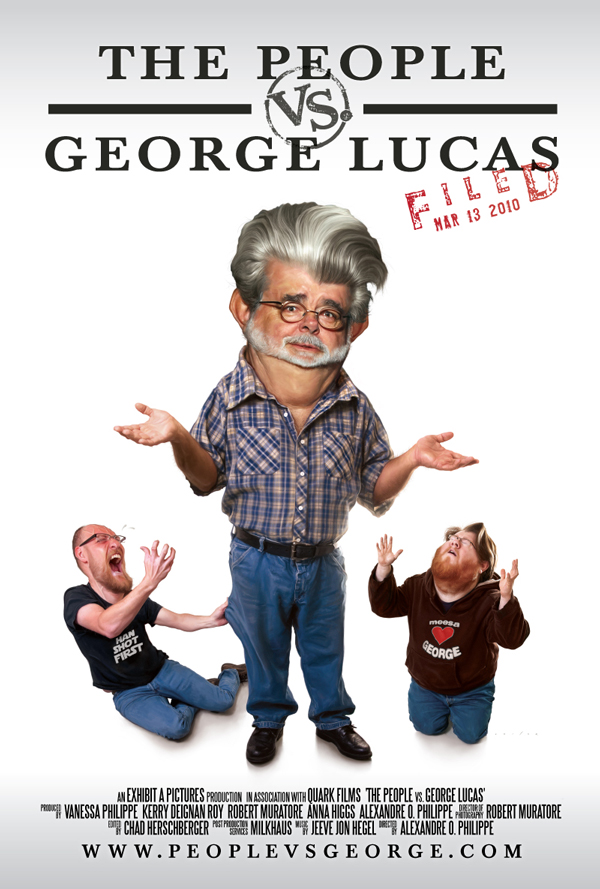
The People vs. George Lucas
I posted a blog piece about this that you can read here. Super pumped for this one.
Toy Story 3
UK premiere of Pixar’s latest.
World’s Greatest Dad
Starring Robin Williams in a dark comedy/drama directed by Bobcat Goldthwait, it’s sure to be interesting given Williams abilities showcased in One Hour Photo and Death to Smoochy.
Other film of interest include: Act of Dishonour, And Everything is Going Fine, Au Revoir Taipei, Blank City, Boy, Caterpillar, Chase the Slut, Cherry Tree Lane, Crime Fighters, Evil in the Time of Heroes, Fog, Gravity, Henry of Navarre, HIGH School, Hotel Atlantico, Jackboots on Whitehall, Lucky Luke, Ollie Kepler’s Expanding Purple World, Perastroika, Police Adjective, Postales, Privelege, Putty Hill, Skeletons, Snowman’s Land, Son of Babylon, Soul Boy, The Dry Land, The Hunter, The Oath, The Red Machine, The Robber, The Sentimental Engine Slayer, Third Star, Two Eyes Staring, Vacation, and Went the Day Well?
There are still some costs to covering the film festival, so if you like the blog and can afford to support my work, donate below. If you donate $10 or more, I will send you a DVD of my short films. One finds more value in their work when people are willing to pay for it.
There are a variety of tools available to documentary filmmakers: Errol Morris used recreated events in The Thin Blue Line and Michael Moore is famous for “gotcha” style stunts. The documentary Erasing David mines various documentary styles, but they can’t keep it afloat.
Directed and starring David Bond, the film follows David as he tries to evade private investigators (PIs) whom he has hired to track him down with his name as their only lead: the PIs have thirty days to find him. David films himself during this period, verbalizing his concerns about being tracked when he uses his Blackberry or the internet. We also follow the PIs as they obtain information on David through various methods: stealing garbage (twice), fraudulent phone calls, and obtaining a birth certificate (though it’s never explained how).
Erasing David takes place in the U.K. where, according to the film, millions of CCTV cameras make for the third-most surveillance-heavy state (coming in behind China and Russia). The idea of going off the grid is a pertinent one. However, the film does not effectively deal with the deeper ramifications of electronic data.
SPOILER ALERT
There are multiple privacy experts that show up in the film, but they have little to say beyond “You’re at risk.” We are never shown exactly how private information could be abused, other than showcasing two individuals who were wrongfully accused of crimes.
Further, in the film’s conclusion David reflects on the amount of information that’s available to the public about his life. The film then tries to link this commentary to David’s capture by the PIs after 18 days, implying that he was found via a vast web of information not kept private.
But that’s not what happened.
The only reason David is caught was because he gets sloppy and decides to visit his wife. We’re not even sure how the PIs obtain the information that leads them to the couple’s meeting location (a hospital) other than one of the PIs pretended to be David over the phone. That has nothing to do with electronic data or biometric scans–that’s just old-fashioned fraud.
Further, having a camera crew follow the PI’s as they try to find David undermines the paranoia and fear David exhibits as the days wear on. When he talks to himself/the camera while out in the woods with the night vision on, we’re not afraid with him that the PIs are outside because we know where they are. So because we know more than our main character, his fear and ramblings become comedic fodder, not dramatic gold.
These separate points of view also stymie any flow to the film, as we’re pushed and pulled from the present (“DAY TWO, HOURS ON THE RUN: 28”) to the past (“FOUR WEEKS EARLIER”) so often that we don’t really care when and where we are – we just want to know why.
Some of the info we learn is interesting: an expert states that even though the U.K. has millions of cameras watching its citizens, these have no proven effect on crime. Also, one of the best moments of the film is when David and his wife are talking about whether or not they’ll allow their child’s biometrics to be recorded. David doesn’t want to do it because he’s worried his daughter could be persecuted based on data filed away somewhere (like the McCarthy trials, in which signatures from old Communist meetings were resurrected). His wife, on the other hand, basically says if it becomes a problem, they’ll deal with it then. Yeah, that worked really well for the ____________ (fill the blank with your minority of choice).
Though the documentary has an interesting subject, there are too many elements working against the film: several pieces feel staged (especially the segments with the PIs), the editing doesn’t keep the film focused, and the constant barrage of music fails to connect the audience to the film.
Though Michael Moore can be an asshole, he can keep you watching. Erasing David, unfortunately, can’t bring home the sense of fear we should all have as we march into this brave new world.
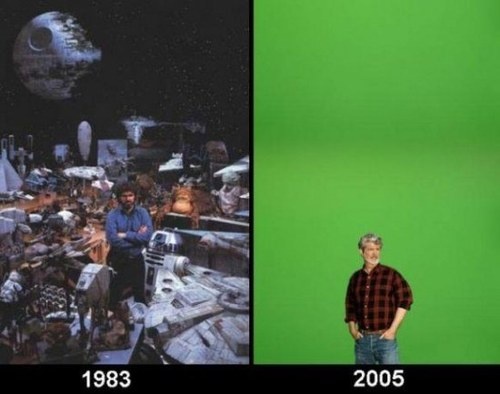
The current problem of George Lucas, summed up with one image.
Over at io9.com they’ve posted an interesting interview with the makers of The People vs. George Lucas, which talks to fans of Star Wars around the world and asks them how they feel about George Lucas.
The fans’ biggest gripe, of course, is Lucas’ failure to live up to the original Star Wars films with the subsequent green-screened prequels. They also object to his refusal to release Star Wars, The Empire Strikes Back, and Return of the Jedi in their original, unaltered/non-CGI’d versions (even though Lucas argued against colorizing classic films before Congress). The director of the film also mentions an interview in 1971 in which Lucas said, “I like to think of myself as a toy maker who makes films,” which of course sounds like a precursor to the Ewoks in Return and the merchandising craze surround the franchise.
While I was chair of the University of Louisville’s Film Committee (we ran the campus cinema) I learned of Lucas’ cutthroat business practices: refusing special screenings of any of the films to keep video sales up and forcing cinemas to hand over 90% of the first week’s grosses (compared with the industry standard of 70% to 80%. Every week a film is out, the cinema gradually receives more of the ticket sales, which is why opening weekend matter so much to studios and why your popcorn is so expensive). It sounds like the filmmakers have delved into some of these issues and it will be interesting to see them reach a wider public.
Finally, discussing to whom films belong (especially when they’re culturally significant) is thought provoking, makes the interview a good read, and gives me optimism for the film.
I am currently at the University of Edinburgh earning my Master’s in Film Studies. For my “Constructing Reality” course (about documentary filmmaking), I am to shoot a minute of “Visual Truth.” So I go out to a busy street, trying to shoot what I consider the illusions of visual truths. I believe there are no absolute truths to an image; they always require an outside context.
So I’m trying to get shots of certain people, capturing their normal activities without them noticing my camera (which would undermine the reality I’m trying to reveal). But to do this, I have to become this sneaky character and this feeling of sneakiness prompts questions of my activity. Continue reading →
 “What would you buy if you had a million dollars?” This is the type of hypothetical fantasizing we’ve all indulged in as children, but what if you actually won that million dollars?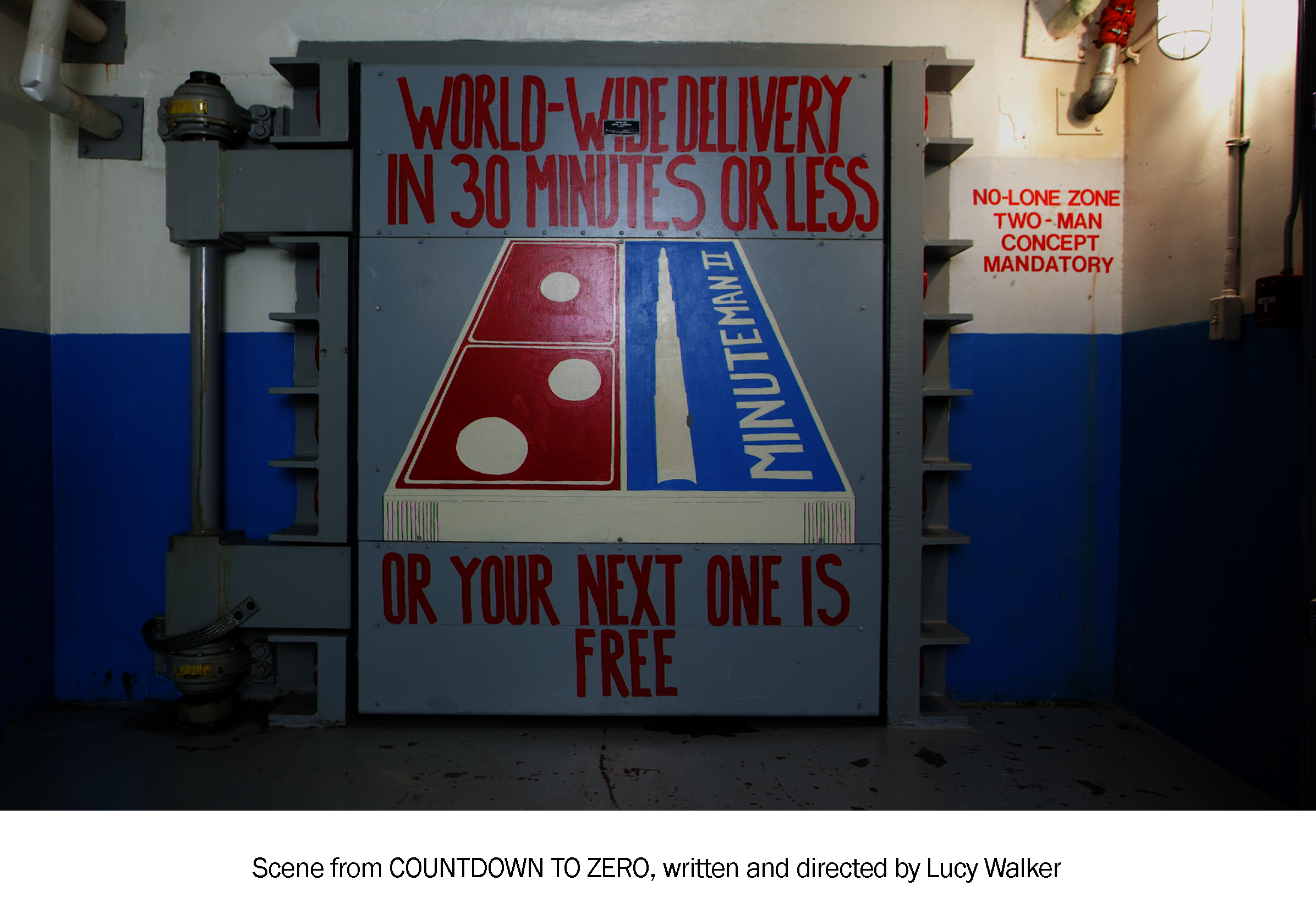











 The Filmsmith
Shooting People: Documentary Power and Ethics
I am currently at the University of Edinburgh earning my Master’s in Film Studies. For my “Constructing Reality” course (about documentary filmmaking), I am to shoot a minute of “Visual Truth.” So I go out to a busy street, trying to shoot what I consider the illusions of visual truths. I believe there are no absolute truths to an image; they always require an outside context.
So I’m trying to get shots of certain people, capturing their normal activities without them noticing my camera (which would undermine the reality I’m trying to reveal). But to do this, I have to become this sneaky character and this feeling of sneakiness prompts questions of my activity. Continue reading →
Leave a comment
Posted in Articles, Filmmaking
Tagged Cameron Crowe, Documentary, Elizabethtown, ethics, Film, Filmmaking, Kentucky, Louisville, Media, Nick Higgins, Power, real, Representation, shooting, truth, University of Edinburgh